Intro
There’s a quote we keep coming back to when we talk about platform shifts:
“Skate where the puck is going.”
It’s cliché for a reason. The teams that win big platform transitions are rarely the ones that wait until everything is obvious, polished, and predictable. They’re the ones who place informed bets early, build muscle memory, and get real user feedback while the rules are still being written.
That’s what 2008 looked like for the App Store. 😉
The first wave didn’t have perfect analytics, mature discovery, or stable monetization.
But they did have something far more valuable: time to learn, iterate, and earn a place in a new default behavior.
ChatGPT apps feel like that kind of moment.
Not because everything is ready.
But because user intent is clearly drifting toward conversational interfaces, and the distribution layer is starting to form.
Over the last weeks, we’ve been exploring what it actually means to “be present” inside ChatGPT with an app.
Not in theory, but through real flows: discovery, invocation, authentication, and the new signal around ads.
Here are our first learnings plus the pragmatic reason we still think action now is incentivized.
1. The strategic question: acquisition channel or customer utility?
Most teams ask:
“Should we build a ChatGPT app to acquire customers?”
Today, the better question is:
“What role will ChatGPT play in our customer journey, and do we want to be part of that journey when it becomes default?”
Right now, ChatGPT apps behave more like connected utilities than browse-and-install apps.
That naturally makes them a better fit for:
- existing customers
- high-intent users
- workflows where trust already exists
So if you go in expecting immediate top-of-funnel magic, you’ll likely be disappointed.
But if you go in expecting a new interface layer for the jobs your customers already need done, it starts to look like an unusually high-leverage experiment.
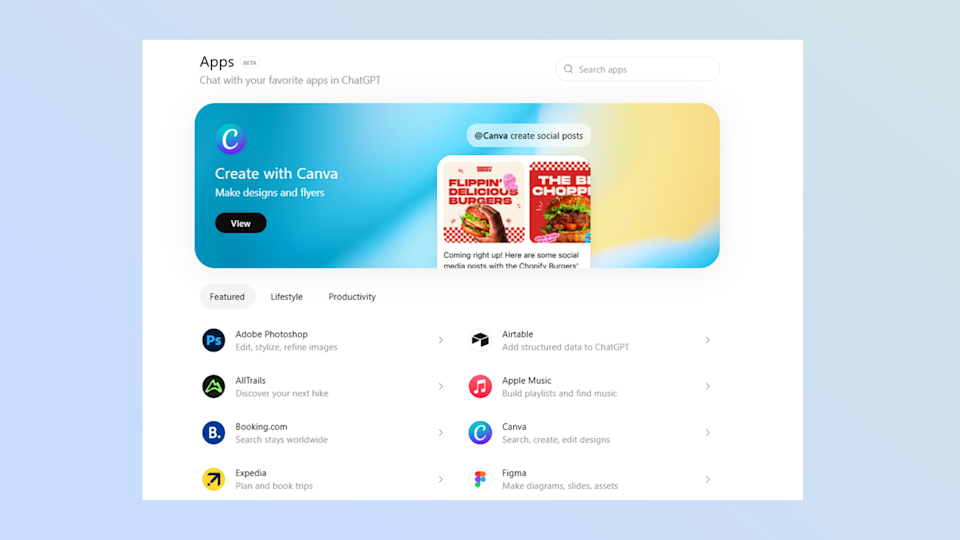
2. Discovery today is real, but not effortless
In practice, many users still need to explicitly call your app.
They need to:
- know it exists
- connect it
- remember to use it (often via @app-name or a tool picker)
- get value fast enough to keep it connected
That’s not “App Store SEO.”
It’s closer to how people adopt integrations inside a workplace OS: high intent, specific purpose, and repeated use once it clicks.
This matters because it changes your growth model:
- Acquisition depends on future surfacing mechanics
- Retention depends on today’s utility
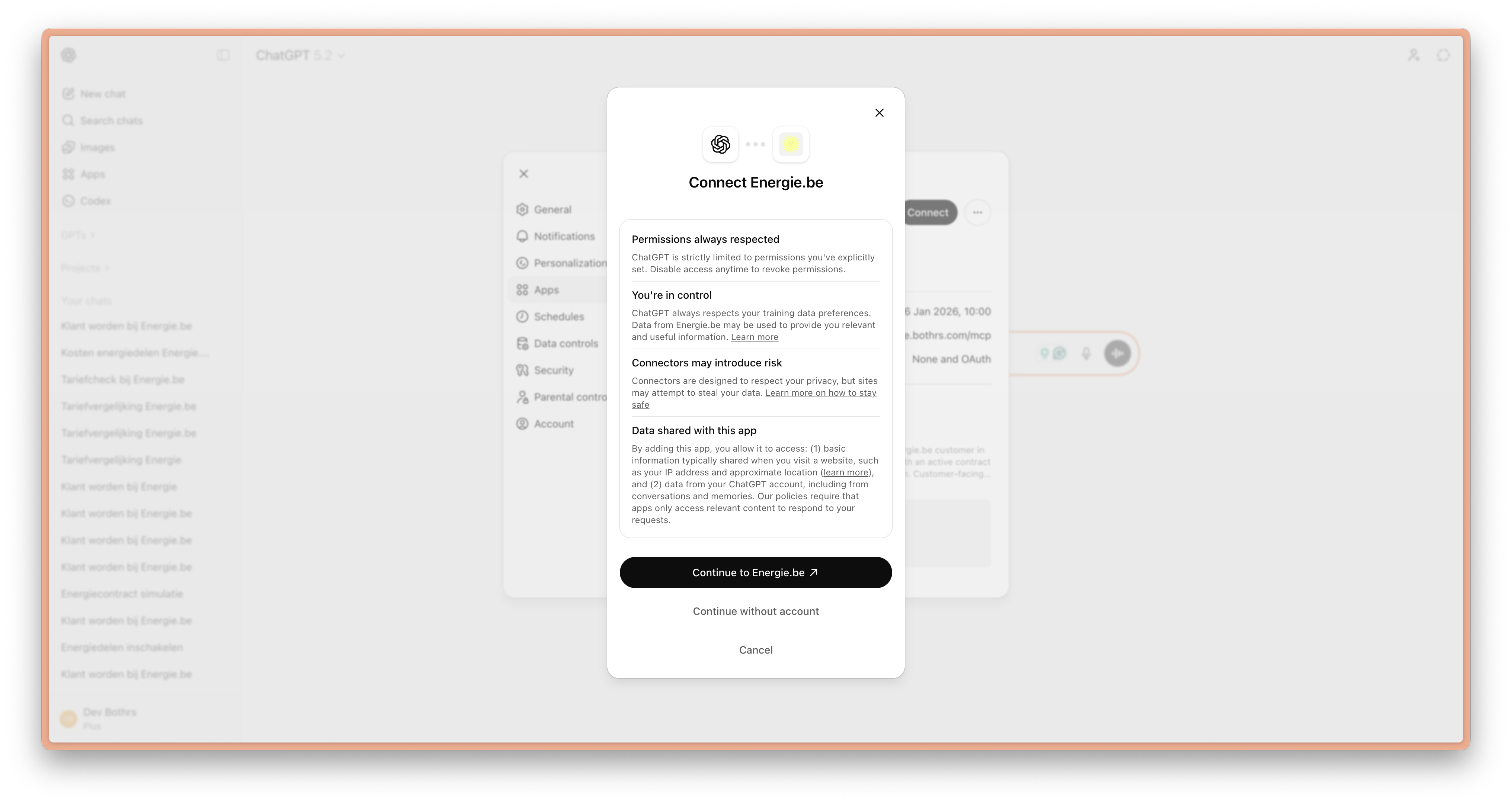
3. Authentication is the silent conversion killer (especially for cold traffic)
If your app does anything valuable, it usually needs a user context.
That means login.
And right now, login tends to appear earlier than you’d want, especially if you’re trying to support a “mixed mode” experience (some tools usable without login, others behind auth).
The practical problem:
Even when you intend to offer value first, the current app UX can nudge users into authentication quickly. Builders are actively discussing this mismatch, where “mixed auth” still triggers auth prompts sooner than expected.
Why this matters:
If the first experience is “log in before you see value,” you’ve just made your app behave like an enterprise integration.
That can work, but it’s not an acquisition-friendly shape unless the user already trusts you.
Our takeaway:
Right now, the “logged vs non-logged” boundary is the difference between a product people try and an integration people enable.
4. The highest-leverage product decision: first value before login
If you’re building a ChatGPT app in 2026, your most important design decision isn’t your feature list.
It’s this:
What can a user accomplish before authentication that feels genuinely useful?
Not a teaser. Not marketing. Real progress.
Examples of “first value” patterns that tend to work:
- calculators, estimators, eligibility checks
- guided diagnostics (“what’s likely happening?” + next steps)
- preparation flows (“to complete X, you’ll need Y; here are your options”)
- public knowledge that reduces uncertainty and speeds up decisions
Then, only when the user wants to take a personal action (account-specific, transactional), you introduce login.
That one design principle does two things:
- lowers friction for discovery and trial
- increases completion rate for the users who do log in (because they already have momentum)
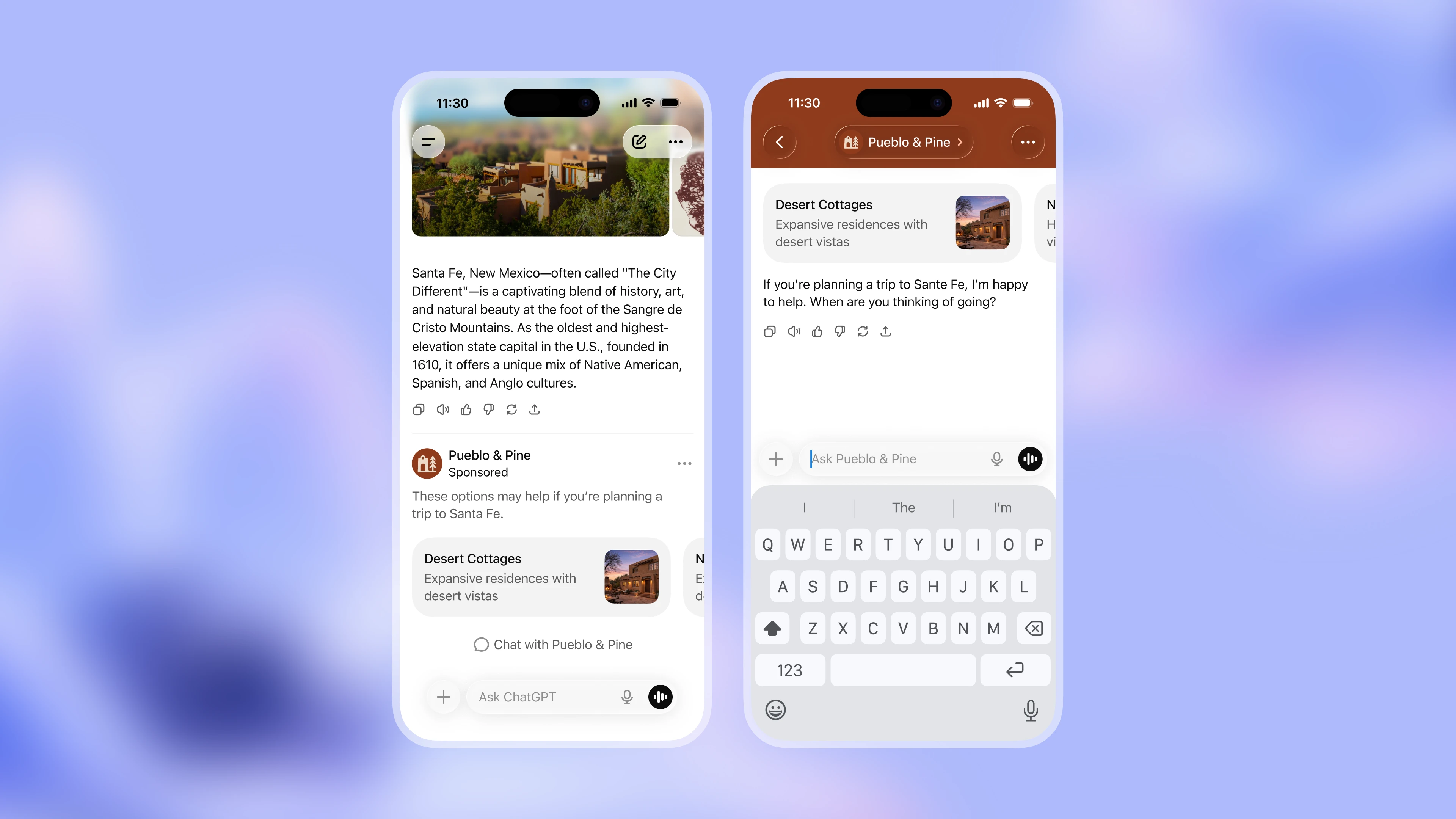
5. Ads are coming, and that changes incentives, even if the rules are unclear
OpenAI has started communicating directionally about ads and “expanding access.” The headline isn’t the details, it’s the signal:
Distribution mechanics will evolve.
And they’ll evolve quickly.
Two implications:
A) “Being ready” will matter more than “being perfect”
When ads and surfacing mature, the winners won’t start from zero. They’ll already know:
- which prompts drive engagement
- which flows convert without friction
- which use cases users repeat
- where trust breaks and how to fix it
B) Ads won’t automatically solve the “which app gets used?” problem
In many categories, multiple apps can answer the same intent.
If a user asks a vague question (which is most questions), ChatGPT can respond generically, browse the web, or call an app.
So the real game becomes:
- how the platform routes intent
- what defaults emerge
- what “wins” the right to be called (trust, relevance, connection, outcomes… and yes, eventually monetization)
This is exactly why early learning is valuable: you want to understand the mechanics before it’s crowded and expensive.
6. The “Life OS” view: where we think value lands first
Our current belief:
ChatGPT is moving toward an operating layer for everyday tasks, a Life OS.
In that world, the most valuable apps aren’t “things you browse.”
They’re “capabilities you summon” inside the flow of work and life.
The apps that win will:
- remove steps from repeated workflows
- respect permissions and context
- make users feel “done” faster
That’s why the near-term business case is strongest in:
- customer self-service
- account support and admin
- onboarding and setup
- quoting, scheduling, status, reporting
- internal enablement (for teams)
And then, as distribution improves, acquisition becomes more realistic.
7. Why action now is still rational (the first-mover advantage = learning)
If the platform isn’t perfect today, why invest?
Because first-mover advantage in platform shifts is rarely about “being first in the store.”
It’s about:
- being first to learn what users actually do in the new interface
- being first to establish a repeatable pattern that the platform rewards
- being first to build trust and usage history before attention becomes crowded
That’s the puck.
Not “a directory listing.”
But a new default behavior: starting with ChatGPT, then moving to actions.
If you wait until everything is clean, you’ll be competing with:
- better-funded teams
- copycats
- established app distributions
- and a much noisier surface
If you move now (smartly), you can run a controlled bet:
- pick one high-value workflow
- design for first value before login
- measure where users drop
- iterate fast while the cost of attention is still relatively low
Practical decision framework (fast)
Move now if:
- you have an installed base (customers or internal users)
- you can deliver useful value without login
- you own workflows that are frequent, repetitive, and currently high-friction
- you’re comfortable iterating as the platform changes
Move later (or keep it tiny) if:
- your only goal is cold acquisition today
- everything requires full authentication upfront
- you need stable distribution rules right now
Closing
ChatGPT apps today are imperfect, sometimes awkward, and occasionally more “integration” than “product.”
But platform shifts don’t wait for our comfort.
They wait for user behavior.
If conversational interfaces become the new starting point for intent (and all signs point that way), then being present inside that flow won’t be optional forever.
Skating where the puck is going doesn’t mean reckless bets.
It means intentional experiments: small enough to manage, real enough to learn, and early enough to matter.
If you want, share your industry + one workflow you’d love to compress (e.g., “support tickets,” “account changes,” “quotes,” “usage reporting”). I’ll propose:
- 3 “first value before login” concepts
- 1 clean authenticated flow
- and a simple MVP scope you can ship and test quickly.
